Sensors & actuators
Measurements such as temperature, pressure, flow, voltage and level, plus the equipment that carries out physical commands.
Define SCADA around the assets being monitored, the decisions people need to make and the control authority the organisation is prepared to provide.
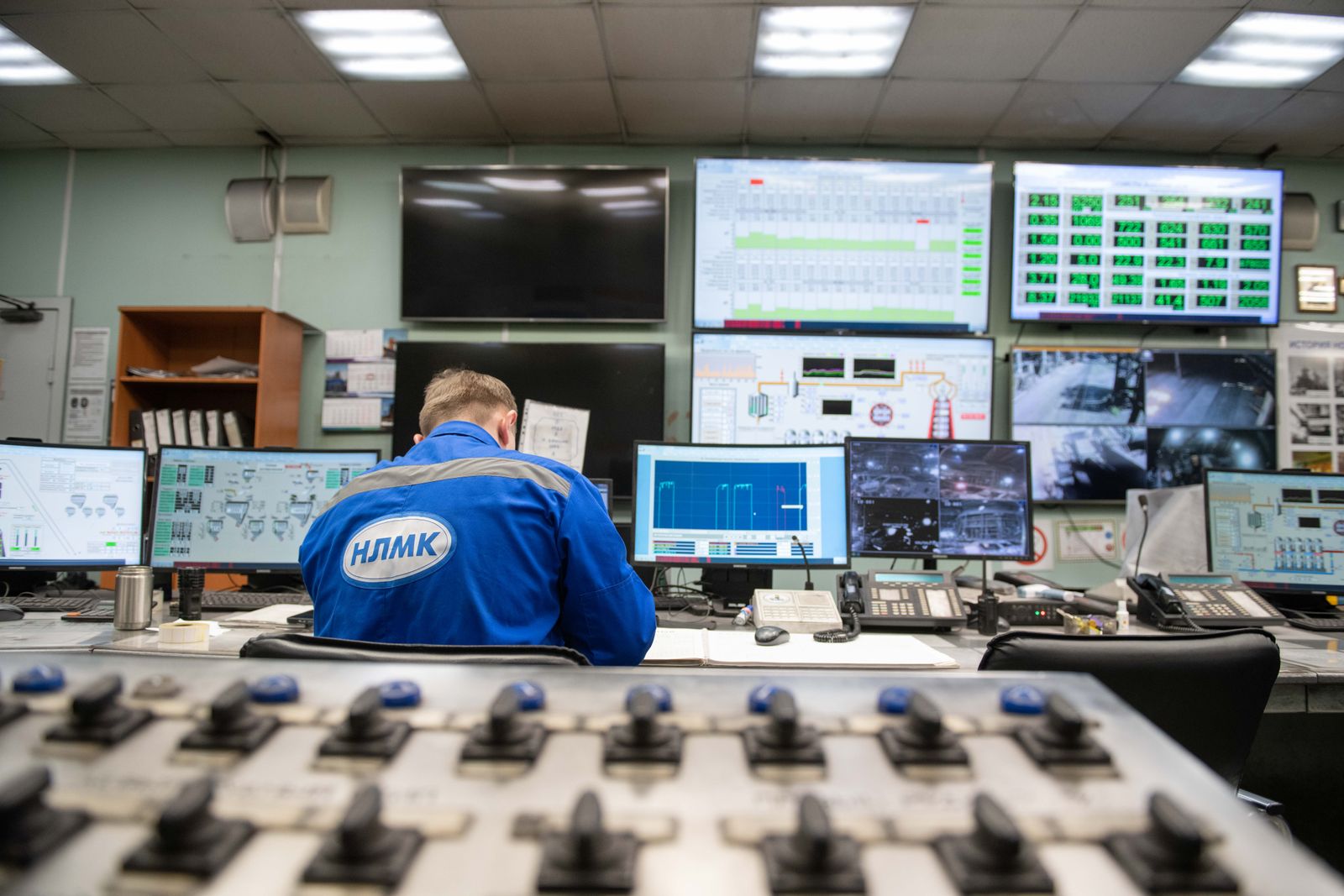
A SCADA system gathers information from equipment and processes, communicates it to a central environment and presents it through a Human–Machine Interface.
Operators can monitor conditions, acknowledge alarms, review trends and issue permitted commands. Managers and engineers can gain a clearer view of recurring events and asset behaviour—provided the data, communications and displays are designed around real operational needs.
ISC Controls helps clarify the role, boundary and failure behaviour of each layer.
Measurements such as temperature, pressure, flow, voltage and level, plus the equipment that carries out physical commands.
Local control and data acquisition, including the boundary between local autonomy and supervisory control.
Ethernet, fibre, cellular, radio or satellite links using protocols such as Modbus, DNP3, IEC 60870-5-104 and OPC UA.
Displays, alarms, trends, events, reports, user roles and the controls operators are permitted to use.
Screen counts and tag lists are outputs. The engineering starts with users, functions and constraints.
Power, water, oil and gas, manufacturing, transportation and renewable-energy operations all use SCADA to connect field conditions with operating decisions.